Mortar Mixer for Sale
Mortar Mixers are a practical choice for masonry and finishing crews that need smoother fine-material mixing instead of general-purpose coarse aggregate batching. Compared with generic alternatives, the machine or system gives the buyer tighter control over how concrete is mixed, stored, or delivered around the actual job workflow.
Typical applications include block laying, plaster and stucco, tile underlayment, rental fleet work. In these scenarios, buyers normally care less about headline brochure claims and more about whether the equipment improves daily control, reduces coordination friction, and fits the labor, transport, and service conditions of the project.
BatchMixPro positions this product around buyers who need controlled on-site concrete production without the cost and complexity of a full batching plant. The current range covers 70 to 260 L mixes with 550 W to 5.5 HP drive options, plus export-ready packing, startup spare-parts support, and configuration advice for overseas buyers.
A mortar mixer is a mixer designed for mortar, plaster, stucco, grout, and other fine aggregate materials that need more controlled blending than standard concrete batching.
- Best For
- masonry contractors, plaster and stucco crews, rental fleets serving finishing trades
- Standards / QA
- paddle or drum rotation check, motor or engine idle test, final packing inspection
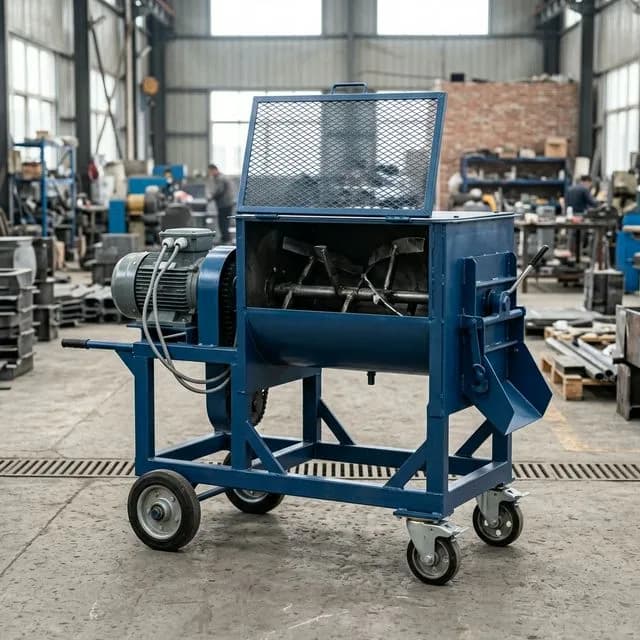
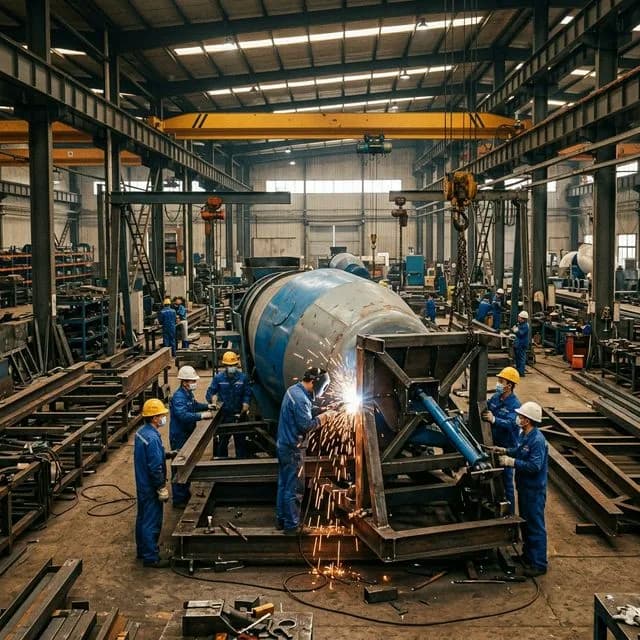
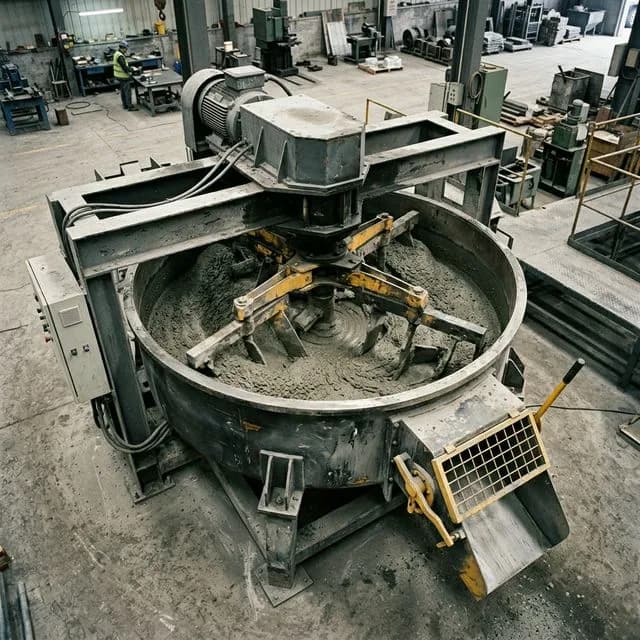
Why buyers shortlist Mortar Mixer
Designed for fine-material mixing
Mortar-specific mixing action handles sand-rich blends better than machines intended mainly for coarse aggregate concrete.
More workable output
The mixer supports smoother, more consistent mortar for block, brick, and plaster applications.
Electric and engine options
Crews can choose quiet electric power or gas mobility depending on the site environment.
Easy small-batch rhythm
Mortar mixers are practical for repeat batches sized around masons instead of large placements.
Popular in rental fleets
The equipment serves a wide range of masonry trades, which makes it attractive for hire businesses.
Technical Specifications
| Model | Mix Volume | Power | Mixing Type | Weight | Typical Use |
|---|---|---|---|---|---|
| MMX70 | 70 L | 550 W | Paddle | 42 kg | Tile and repair work |
| MMX120 | 120 L | 750 W | Paddle | 68 kg | Masonry contractor |
| MMX180 | 180 L | 1.1 kW | Drum / paddle | 96 kg | Stucco and plaster |
| MMX260G | 260 L | 5.5 HP | Drum | 155 kg | Outdoor masonry crews |
Request pricing for Mortar Mixer
Tell us the delivery destination, target output, and any special requirements. We will reply with a matched recommendation.
Buyer Guide
Start with the real workload, not the largest available specification. For mortar mixer, confirm the target output, transport or placement workflow, local service conditions, and whether the customer will benefit more from mobility, tighter process control, or lower manual handling. In most cases, buyers make better decisions when they compare the full operating routine instead of looking only at purchase price or nominal capacity.
Mortar Mixer vs a general concrete drum mixer
Use this comparison to frame the equipment around workflow, mobility, and production expectations.
| Dimension | Mortar Mixer | a general concrete drum mixer |
|---|---|---|
| Material focus | Mortar, plaster, grout, and stucco | General concrete with aggregate |
| Mix quality for fine blends | Better control for fine mixes | Less optimized for smooth mortar |
| Best user | Masonry and finishing crews | General contractors |
| Batch style | Frequent smaller fine-material batches | Broader concrete batching tasks |
Frequently Asked Questions
What capacity range is typical for mortar mixer?
Mortar Mixer buyers usually compare models in the 70 to 260 L mixes range because that covers most mainstream contractor and supplier applications.
How much does mortar mixer cost?
Factory pricing commonly starts around USD 249 and can rise toward USD 4,200 once capacity, options, and export scope increase.
What power or drive setup is common?
The most common configuration uses 550 W to 5.5 HP drive options, depending on model size, duty cycle, and the target market.
How long is the usual lead time?
A normal production lead time is about 7 to 15 production days, plus sea freight and inland delivery to the final site.
What should buyers confirm before ordering?
The first checks should be real output demand, site layout, local operator skill, and whether startup spare parts should be bundled with the machine.
Can BatchMixPro support export service planning?
Yes. We can prepare packing plans, startup spare-parts lists, and remote commissioning references matched to the selected configuration.