Pan Mixer for Sale
Pan Mixers are a practical choice for buyers who need stronger mixing intensity for precast, pavers, colored products, or low-slump specialty material. Compared with generic alternatives, the machine or system gives the buyer tighter control over how concrete is mixed, stored, or delivered around the actual job workflow.
Typical applications include precast work, block lines, paver production, specialty mixes. In these scenarios, buyers normally care less about headline brochure claims and more about whether the equipment improves daily control, reduces coordination friction, and fits the labor, transport, and service conditions of the project.
BatchMixPro positions this product around buyers who need controlled on-site concrete production without the cost and complexity of a full batching plant. The current range covers 250 to 1000 L batches with 5.5 kW to 30 kW drive packages, plus export-ready packing, startup spare-parts support, and configuration advice for overseas buyers.
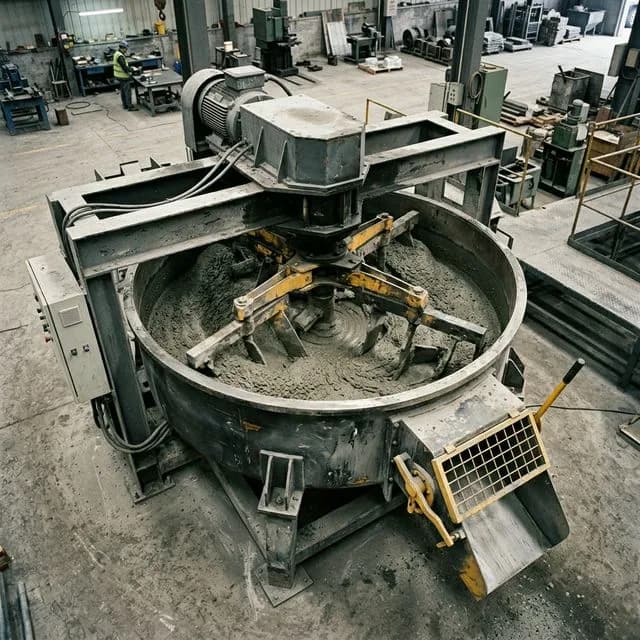
A pan mixer is a forced-action mixer that uses rotating paddles inside a pan to achieve intensive blending of concrete, mortar, and specialty mixes.
- Best For
- precast and block plants, paver production, stiff and specialty concrete mixes
- Standards / QA
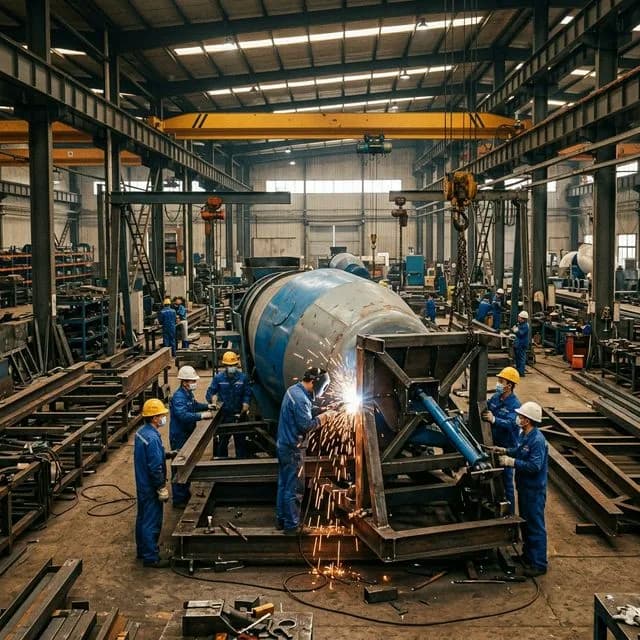
- blade and liner fit check, gearbox run test, electrical control inspection
Why buyers shortlist Pan Mixer
Forced-action quality
Paddle-driven mixing handles stiff, fiber, pigmented, and specialty formulations more consistently than a drum mixer.
Ideal for precast and block work
Pan mixers are chosen where repeatable density, color, and finish affect final product value.
Wear-resistant mixing zone
Replaceable liners and blades protect the pan body and simplify maintenance planning.
Controlled discharge choices
Bottom or side discharge layouts can match molds, conveyors, hoppers, or manual collection points.
Easy integration with plant controls
Pan mixers pair well with weighing and dosing systems in compact factory lines.
Technical Specifications
| Model | Output per Batch | Pan Diameter | Power | Discharge | Application |
|---|---|---|---|---|---|
| MP250 | 250 L | 1200 mm | 5.5 kW | Manual | Lab and workshop |
| MP500 | 500 L | 1500 mm | 11 kW | Pneumatic | Block and paver |
| MP750 | 750 L | 1800 mm | 18.5 kW | Hydraulic | Precast plant |
| MP1000 | 1000 L | 2100 mm | 30 kW | Hydraulic | Commercial specialty mix |
Request pricing for Pan Mixer
Tell us the delivery destination, target output, and any special requirements. We will reply with a matched recommendation.
Buyer Guide
Start with the real workload, not the largest available specification. For pan mixer, confirm the target output, transport or placement workflow, local service conditions, and whether the customer will benefit more from mobility, tighter process control, or lower manual handling. In most cases, buyers make better decisions when they compare the full operating routine instead of looking only at purchase price or nominal capacity.
Project Examples
Recent use cases that show how buyers apply this equipment in the field.
Brazil Buyer Used a Self-Loading Mixer to Expand a Rural Precast Yard Without a Full Plant Investment
A Brazilian precast and farm-infrastructure supplier improved batching control and internal yard mobility with a self-loading mixer before committing to a full stationary line.
- -The customer needed a solution for better mix consistency and internal yard movement without locking too much capital into a permanent plant too early.
- -BatchMixPro recommended a self-loading mixer positioned as a staged growth step between manual batching and a full fixed line.
- -The delivered package centered on electronic weighing, standard water system, spare parts, and stockpile-layout guidance.
Pan Mixer vs a drum mixer
Use this comparison to frame the equipment around workflow, mobility, and production expectations.
| Dimension | Pan Mixer | a drum mixer |
|---|---|---|
| Mixing intensity | Higher forced-action intensity | Lower intensity tumbling action |
| Specialty material suitability | Excellent for specialty and low-slump mixes | Best for standard concrete |
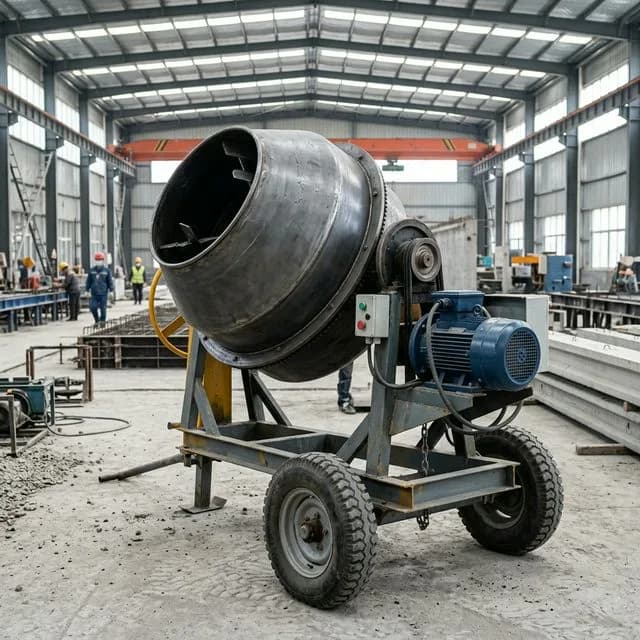
| Typical environment | Workshop and factory use | Portable site use |
| Investment level | Higher initial investment | Lower initial investment |
Frequently Asked Questions
What capacity range is typical for pan mixer?
Pan Mixer buyers usually compare models in the 250 to 1000 L batches range because that covers most mainstream contractor and supplier applications.
How much does pan mixer cost?
Factory pricing commonly starts around USD 3,500 and can rise toward USD 42,000 once capacity, options, and export scope increase.
What power or drive setup is common?
The most common configuration uses 5.5 kW to 30 kW drive packages, depending on model size, duty cycle, and the target market.
How long is the usual lead time?
A normal production lead time is about 18 to 35 production days, plus sea freight and inland delivery to the final site.
What should buyers confirm before ordering?
The first checks should be real output demand, site layout, local operator skill, and whether startup spare parts should be bundled with the machine.
Can BatchMixPro support export service planning?
Yes. We can prepare packing plans, startup spare-parts lists, and remote commissioning references matched to the selected configuration.